
High-Yield Savings Accounts: Your Money’s Best Friend in 2025
Why High-Yield Savings Accounts Matter in 2025: Earn More and Beat Inflation
Look, I’ll be honest with you, watching your money just sit there in a regular savings account earning pennies is about as exciting as watching paint dry. Actually, scratch that. It’s worse. Because while you’re earning basically nothing, inflation’s out here eating away at your hard-earned cash like it’s an all-you-can-eat buffet.
But here’s where things get interesting. Enter the high-yield savings account, the financial world’s way of saying “sorry for making you wait so long, here’s some actual interest.” We’re talking APYs that can hit 4% or higher, which compares to the national average of around 0.46% on traditional savings accounts. Yeah, it’s kind of a no-brainer.
So grab your coffee (or whatever fuels your financial decision-making), and let me walk you through everything you need to know about high-yield savings accounts in 2025. Trust me, your future self will thank you.
What Exactly Is a High-Yield Savings Account, Anyway?
Okay, let’s start with the basics. A high-yield savings account is basically a savings account on steroids, minus the questionable side effects. It works just like your regular savings account, except it pays you significantly more interest on the money you park there.
Think of it this way: if traditional savings accounts are that friend who borrows twenty bucks and takes forever to pay you back, high-yield savings accounts are the friend who not only pays you back but throws in extra for your trouble. They’re typically offered by online banks that don’t have the overhead costs of maintaining physical branches, so they pass those savings onto you in the form of better interest rates.

The beauty of these accounts? Your money stays liquid (meaning you can access it when you need it), it’s safe, and it’s actually growing at a rate that makes sense in today’s economy. No complicated investment strategies required. Just park your cash and watch it multiply.
The Numbers Game: How Interest Actually Works
Now, I know “interest calculation” sounds about as fun as doing your taxes, but stick with me here. Understanding how the interest is calculated on a high-yield savings account is actually pretty straightforward, and kind of satisfying once you see your money grow.
Most high-yield savings accounts use compound interest, which is basically interest earning interest. It’s like financial inception, but in a good way. Here’s the breakdown:
Your interest is typically calculated daily based on your account balance, then paid out monthly. So if you have $10,000 in an account with a 4.00% APY, you’re not just earning $400 at the end of the year. You’re earning interest every single day, and that interest gets added to your balance, which then earns more interest.
Let me paint you a picture:
- Day 1: You deposit $10,000
- Day 2: Your balance is $10,000 + interest from day 1
- Day 3: Interest is calculated on that slightly higher balance
- And so on…
By the end of the year, thanks to this compounding effect, you’ll have earned slightly more than that simple $400 calculation would suggest. It’s not going to make you rich overnight, but hey, it’s better than the $46 you’d earn in a traditional savings account with a 0.46% APY.
What’s Hot in 2025: Current APY Rates
Let’s talk numbers. As of 2025, the average APY for high-yield savings accounts is hovering in the sweet spot of 3.5% to 4.2%. Compare that to the national average for traditional savings accounts, which is still stuck at around 0.46%, and you can see why people are making the switch.
But here’s the thing: these rates aren’t set in stone. They fluctuate based on the Federal Reserve’s decisions and overall economic conditions. Right now, we’re in a pretty favorable environment for savers, but rates can change. That’s why it’s worth checking in on your account periodically to make sure you’re still getting a competitive rate.
Current Top Performers:
| Bank | APY | Minimum Balance | Key Feature |
|---|---|---|---|
| Openbank High Yield Savings | 4.20% | $500 | Top-tier rate |
| LendingClub LevelUp Savings | 4.20% | $0 | No minimum required |
| EverBank Performance® Savings | 4.05% | $0 | Solid rate, easy access |
| Forbright Bank Growth Savings | 4.00% | $0 | Eco-friendly mission |
| Western Alliance Bank | 3.95% | $1 | Cash bonus options |
The Fee Situation: What’s It Going to Cost You?
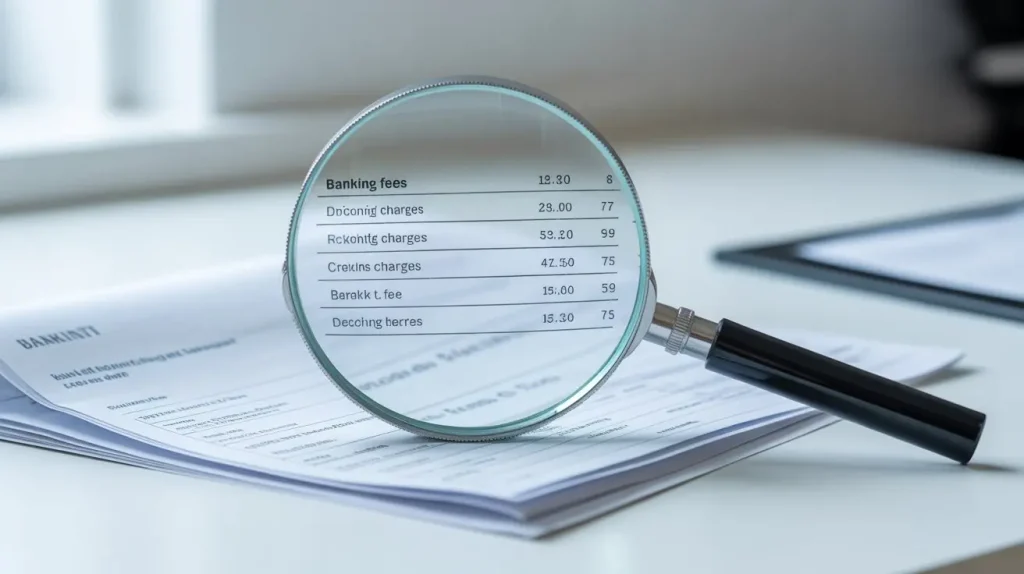
Here’s some good news: most high-yield savings accounts come with no monthly maintenance fees. Seriously. It’s one of the major perks of these accounts.
However, and there’s always a however, you might encounter fees in certain situations:
- Excessive withdrawal fees: Thanks to federal regulations, you can typically make up to six withdrawals per month. Go over that, and some banks might charge you.
- Wire transfer fees: Need to wire money? That might cost you.
- Paper statement fees: Some banks charge if you want physical statements mailed to you.
- Insufficient funds fees: Don’t try to withdraw more than you have.
The key is to read the fine print. Most reputable online banks offering high-yield savings accounts pride themselves on their no-fee structure, but it’s always worth double-checking before you commit.
The Entry Ticket: Minimum Balance Requirements
So, how much do you need to get started? Good news here too: many of the best high-yield savings accounts have either no minimum balance requirement or a super low one.
Let’s break it down:
No Minimum Balance Options:
- Marcus by Goldman Sachs
- American Express® High Yield Savings
- Capital One 360 Performance Savings™
- EverBank Performance® Savings
- Ally Online Savings
Low Minimum Options:
- Openbank High Yield Savings: $500
- Western Alliance Bank: $1 (yes, literally one dollar)
Higher Minimum for Better Rates:
- CIT Bank Platinum Savings: $5,000 minimum (but comes with bonus opportunities)
The reality? You can start with as little as a dollar in some cases. Obviously, the more you deposit, the more interest you’ll earn, but there’s no need to wait until you have thousands saved up to open an account. Start where you are.
High-Yield vs. Traditional: The Ultimate Showdown
Okay, let’s settle this once and for all. What’s the real difference between high-yield savings accounts and traditional savings accounts?
Interest Rates: This is the big one. High-yield accounts offer APYs that are 8-10 times higher than traditional accounts. We’re talking 4% versus 0.46%. Do the math on $10,000 over a year:
- Traditional account: ~$46 in interest
- High-yield account: ~$400 in interest
That’s $354 you’re leaving on the table by sticking with a traditional account. Every. Single. Year.
Access and Convenience: Traditional banks often have physical branches, which some people prefer. High-yield accounts are typically online-only, which means you manage everything through an app or website. But honestly? In 2025, most of us are already doing our banking online anyway.
Features and Perks: Traditional banks might offer bundled services, checking, savings, and credit cards all in one place. High-yield savings accounts often come from online-only banks that specialize in, well, giving you better rates. Pick your priority.
Minimum Balance Requirements: Traditional accounts sometimes require higher minimums. High-yield accounts? Often no minimum at all.
The verdict? Unless you absolutely need a physical branch or have a complex banking setup, high-yield accounts win this round. It’s not even close.
Your Money, Your Rules: Withdrawal Policies
Let’s talk about getting your money out, because what’s the point of saving if you can’t access it when you need it?
Can you withdraw money freely from a high-yield savings account? Yes, but with some reasonable limitations. Federal regulation historically limited withdrawals to six per month, though many banks have relaxed this since 2020. Still, high-yield savings accounts are designed for saving, not for everyday spending.
Here’s what you need to know:
- Electronic transfers: Usually take 1-3 business days
- ACH transfers: Free and easy, just not instant
- Wire transfers: Fast but might cost you a fee
- ATM access: Some accounts offer it, but it’s not universal
Pro tip: Keep a separate checking account for your daily expenses and let your high-yield savings account do what it does best: grow your money. Think of it as a long-term relationship that needs some space to flourish.

Safety First: The FDIC Insurance Question
Here’s the question everyone should ask but sometimes doesn’t: Are high-yield savings accounts federally insured?
Short answer: Yes, as long as you’re banking with an FDIC-insured institution.
The FDIC (Federal Deposit Insurance Corporation) insures your deposits up to $250,000 per depositor, per bank, per account category. This means that even if your bank goes belly-up (which, let’s be real, is pretty rare), your money is protected.
Every single account on our recommended list is FDIC insured. It’s non-negotiable. Never, and I mean never- put your money in an account that isn’t FDIC insured. It’s like buying a car without seatbelts. Sure, you might be fine, but why take the risk?
Quick FDIC Coverage Checklist:
- ✓ $250,000 per person, per bank
- ✓ Covers principal and accrued interest
- ✓ Automatic, no need to apply
- ✓ Protects against bank failure, not investment losses
How to Pick Your Perfect Match
With so many options out there, how do you choose the best high-yield savings account for your needs? It’s not quite as personal as choosing a life partner, but it’s still an important decision.
Consider these factors:
1. APY (Obviously): Higher is better, but look for consistency. A bank that regularly offers competitive rates is better than one with a flashy introductory rate that drops after three months.
2. Minimum Balance Requirements: Can you meet them comfortably? Don’t stretch yourself thin to hit a minimum.
3. Fees: None is best. Some is acceptable if the APY is worth it. Many is a red flag.
4. Access and Convenience: How easy is it to move money in and out? Is the mobile app decent? Can you link it to your checking account easily?
5. Customer Service: Read reviews. When something goes wrong (and eventually, something always does), you want responsive support.
6. Additional Features: Some accounts offer bonuses, while others have cool features like savings goals or automatic transfers.
7. Bank Reputation: Stick with established, well-reviewed institutions. Your money deserves better than a sketchy startup with a cool app.
The Dynamic Duo: Savings + Checking Together
Can you have a high-yield savings account with a checking account at the same bank? Absolutely, and sometimes it’s the smart move.
Some banks offer competitive high-yield savings and solid checking accounts under one roof. SoFi, for instance, offers both, with the bonus of earning up to 3.60% APY when you set up direct deposit. Capital One 360 gives you both online convenience and actual physical branches if you need them.
Benefits of keeping them together:
- Instant transfers between accounts
- Single login for everything
- Sometimes better rates or bonuses for bundling
- Easier budgeting with one dashboard
Benefits of keeping them separate:
- Shop for the absolute best rates for each
- Adds a slight friction that can help prevent impulse spending from savings
- Diversification across institutions
There’s no wrong answer here. I personally like having them at different banks because that extra day or two transfer time gives me a built-in cooling-off period before I raid my savings. But if you value convenience and simplicity, keeping everything together makes perfect sense.
The 2025 All-Stars: Top High-Yield Savings Accounts
Alright, let’s get to what you really came here for: the best of the best. These are the top high-yield savings accounts making waves in 2025.
The Rate Champions
Openbank High Yield Savings (4.20% APY). This is the heavyweight champion right now. With a 4.20% APY and a reasonable $500 minimum balance, Openbank is bringing serious heat. It’s FDIC-insured, fully online, and perfect if you’re chasing the highest possible return on your savings.
LendingClub LevelUp Savings (4.20% APY) Tied for the top spot, but with zero minimum balance requirement. LendingClub made its name in peer-to-peer lending and has brought that innovative spirit to savings accounts. The combination of top-tier rates and no barrier to entry makes this a winner.
EverBank Performance® Savings (4.05% APY) Just slightly behind the leaders but with a major advantage: no minimum balance required. EverBank has been quietly crushing it in the online banking space, and its Performance Savings account is a testament to that.
The Balanced Performers
Forbright Bank Growth Savings (4.00% APY). If you care about where your money goes, Forbright’s eco-friendly mission might appeal to you. They’re B Corp certified and committed to sustainable banking practices, all while offering a competitive 4.00% APY with no minimum balance. Good for your wallet and your conscience.
CIT Bank Platinum Savings (3.75% APY). The rate is slightly lower, but the $300 bonus available with qualifying activities sweetens the deal. Plus, if you maintain a $5,000 balance, you’re still earning solid returns. CIT has been around the block and knows what savers want.
The Brand Names
Marcus by Goldman Sachs Online Savings (3.65% APY) When Goldman Sachs, yes, that Goldman Sachs-decided to offer consumer banking, people paid attention. Marcus combines Wall Street expertise with Main Street accessibility. No minimum balance, no fees, and the backing of one of the world’s most powerful financial institutions.
American Express® High Yield Savings (3.50% APY) You know AmEx from credit cards, but their savings account game is strong, too. The 3.50% APY isn’t the highest on this list, but the brand recognition and customer service reputation make it a safe, reliable choice.
Capital One 360 Performance Savings™ (3.40% APY) The APY isn’t topping the charts, but Capital One offers something unique: actual physical branches in select cities. If you like the security of being able to walk into a bank when needed while still getting online-level rates, this is your account.
The Specialized Options
Bask Interest Savings Account (3.90% APY). Here’s something different: Bask lets you earn either interest or American Airlines AAdvantage miles. If you’re a frequent flyer, this could be more valuable than straight cash interest. No minimum balance required.
SoFi Checking and Savings (Up to 3.60% APY). The “up to” is key here; you need to set up direct deposit to hit that rate. But if you do, you’re getting a solid return plus all the benefits of SoFi’s ecosystem, including potential direct deposit bonuses. It’s checking and savings rolled into one.
Barclays Tiered Savings Account (3.85% APY) British banking meets American savings. Barclays has been in the game for centuries (literally), and they’re offering a competitive 3.85% APY with no minimum balance, plus a $200 bonus with certain terms.
Smart Strategies: Getting the Most from Your High-Yield Account
Having a high-yield savings account is great. Using it strategically? That’s when the magic happens.
Emergency Fund HQ: This is what high-yield savings accounts were born to do. Park 3-6 months of expenses here. It’s accessible when you need it, but it’s growing while it waits.
Goal-Based Savings: Planning a wedding? Saving for a down payment? Use your high-yield account as the staging area. Set up automatic transfers from your checking account every payday.
The Interest Snowball: Here’s a fun trick; every time you get your monthly interest payment, mentally add that to your “extra savings” that you don’t touch. Watch how compound interest builds momentum over time.
Rate Shopping: Don’t be loyal to a fault. If another bank is offering significantly better rates, moving your money takes less time than you think. Your bank isn’t going to give you a better rate out of loyalty.
Bonus Hunting: Some banks offer cash bonuses for new accounts or meeting certain criteria. If you’ve got the discipline to hit the requirements without changing your spending habits, these bonuses are basically free money.
Common Pitfalls (And How to Avoid Them)
Let me save you from some rookie mistakes:
Mistake #1: Chasing Tiny Rate Differences Is it worth switching banks for an extra 0.05% APY? On $10,000, that’s $5 a year. Your time is worth more than that. Focus on the big jumps.
Mistake #2: Forgetting About Taxes That interest you’re earning? The IRS wants to know about it. You’ll get a 1099-INT form if you earn more than $10 in interest. Not a huge deal, but plan accordingly.
Mistake #3: Keeping Too Much in Savings High-yield savings accounts are great, but they’re not investments. If you’ve got long-term money (5+ years), you’ll likely do better in the stock market or other investments.
Mistake #4: Not automating. The best savings strategy is the one you don’t have to think about. Set up automatic transfers and forget about it.
The Big Picture: Beyond Just Interest Rates
Look, at the end of the day, a high-yield savings account isn’t going to make you rich. Let’s be real about that. But here’s what it will do:
It’ll give you a safe place to grow your emergency fund. It’ll help you reach short-term savings goals faster. It’ll give you peace of mind knowing your money is working for you instead of against you. And honestly, in a world where everything financial seems complicated and sketchy, high-yield savings accounts are refreshingly straightforward.
The difference between earning 0.46% and 4% might not seem life-changing on paper, but compound that over years, over multiple goals, over the course of building your financial foundation, it adds up. And more importantly, it represents a mindset shift from passive to active money management.
Your Next Move
So what now? Here’s my advice: don’t overthink it.
Pick one of the accounts from our recommended list—honestly, you can’t go wrong with any of them. The difference between the #1 and #10 spots is minimal. What matters is that you’re making the switch from whatever account you have now (if it’s earning you less than 3%) to something better.
Open the account. Transfer your savings. Set up automatic contributions if that helps you stay consistent. Then let it do its thing.
Your money should be working as hard as you do. And with a high-yield savings account, it will finally be.
Ready to make the move? Pick an account, spend 10 minutes signing up, and give your future self the gift of better financial returns. Because honestly, life’s too short to leave money on the table.
And hey, when you check your account in a year and see how much interest you’ve earned? Send me a thank you note. Or better yet, use that money to treat yourself to something nice. You’ve earned it, literally.
Remember: Interest rates can change frequently based on market conditions. Always verify current rates before opening an account. All information is accurate as of 2025.