
Buy Now Pay Later: How a New Payment Revolution Is Changing the Way Americans Shop
Buy Now Pay Later has quietly reshaped how people shop. This new way to finance purchases has exploded in popularity, allowing shoppers to split costs into smaller, manageable chunks.
Recent data shows this payment option is now mainstream. Over a quarter of American consumers have used these services, and the market has experienced remarkable growth, financing billions in transactions.
These financial products offer clear advantages. They provide access for those with limited credit options. But this accessibility comes with questions. Concerns about debt and oversight are growing.
This article explores both sides. We will look at the real benefits for consumers. We will also examine the potential risks involved. Understanding this balance is key to smart financial choices.
Key Takeaways
- Over 27% of U.S. shoppers have used installment financing for purchases.
- The market for this type of short-term credit has grown exponentially since 2020.
- These services allow splitting costs into multiple payments, often with no interest.
- Accessibility is a major benefit, especially for those with limited traditional credit.
- Potential risks include overspending and accumulating debt without proper oversight.
- The industry is at a point where increased regulatory scrutiny is likely.
- Understanding both the advantages and drawbacks is essential for consumers.
The Evolution of BNPL and Market Growth
The financial landscape witnessed a dramatic shift as installment payment options gained unprecedented traction. What began as niche financing for major purchases exploded into mainstream adoption.
Historical Context and the Rise During the Pandemic
COVID-19 lockdowns created ideal conditions for this payment method’s explosive growth. With physical stores closed, consumers turned to online shopping.
Economic uncertainty made traditional credit cards less appealing. People sought flexible payment solutions without long-term debt commitments.
The numbers tell a compelling story. Top lenders saw originations surge from 16.8 million in 2019 to 180 million by 2021.
| Year | Loans Originated (Millions) | Market Value (Billions) |
|---|---|---|
| 2019 | 16.8 | $2.0 |
| 2021 | 180.0 | $24.2 |
| 2024 | 270.0 (est.) | $36.3 (est.) |
Expansion from Niche to Mainstream Usage
Fintech companies like Affirm and Klarna revolutionized the market. They offered streamlined approval with minimal credit checks.
These services generate revenue primarily through merchant fees. Stores accept higher costs because these products increase conversion rates.
The adoption curve shifted from electronics to everyday items like groceries and clothing.
This expansion signals both broader accessibility and potential concerns about consumer spending habits. The rapid growth continues to attract regulatory attention.
Exploring Buy Now Pay Later and BNPL Trends in the US
Recent surveys paint a detailed picture of adoption rates across different demographic groups. Multiple studies show varying usage statistics, reflecting different research methodologies.
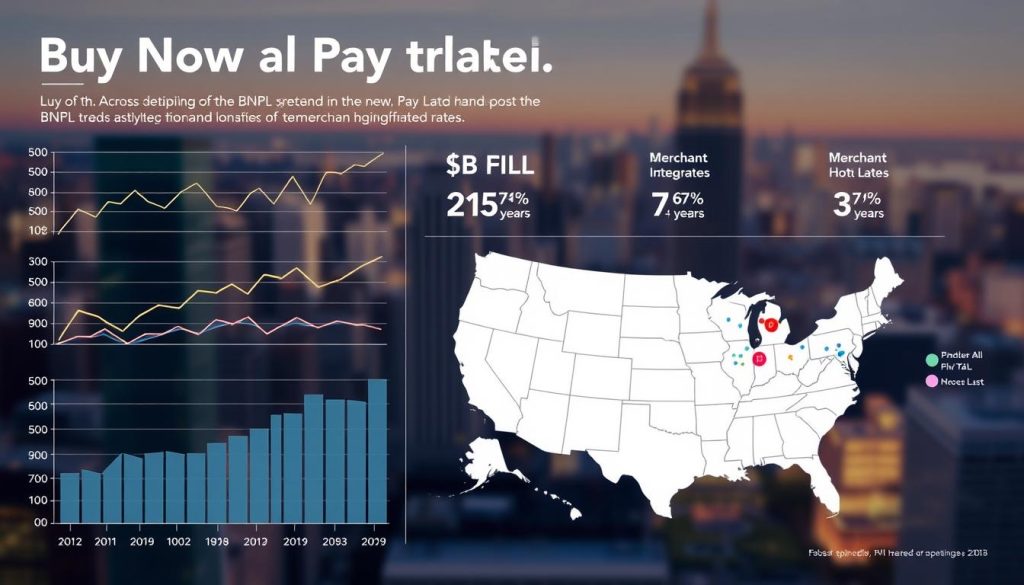
A Morgan Stanley AlphaWise survey from April 2025 found 27% of American consumers have used installment payment services. Federal Reserve data shows steady growth from 12% in 2022 to 15% in 2024.
Key Data and Adoption Rates Among Consumers
Generational differences are striking. Younger users lead adoption with 41% of 16-24 year-olds using these services. Only 11% of those 65 or older have tried them.
Income distribution challenges assumptions. Households earning $100,000-$150,000 show the highest adoption rates at 38%. This suggests the market appeals beyond those with limited credit options.
About 30% of regular users engage with these services monthly. Another 30-40% use them less frequently. For most consumers, it remains an occasional payment method rather than a habitual.
The data reveals higher usage among female consumers, renters, and those without college degrees. These patterns help identify which segments find these options most attractive.
Benefits of BNPL for Consumers and Merchants
The advantages of installment-based purchasing extend beyond consumer convenience to create significant value for retailers. These financial services offer mutual benefits that transform how people shop and businesses operate.
Enhanced Accessibility and Payment Flexibility
Consumers gain immediate purchasing power through flexible payment options. The average loan balance sits around $760, making larger purchases manageable.
Popular items include clothing, electronics, and groceries. Most plans use a “Pay in 4” structure with zero interest.
| Payment Method | Average Order Value | Conversion Rate | Monthly Payment |
|---|---|---|---|
| Installment Plans | $240 | 28% | $50-100 |
| Credit Card | $180 | 22% | Variable |
| Full Payment | $150 | 18% | N/A |
Merchant Advantages and Increased Conversion Rates
Retailers accept higher processing fees because these services boost sales. Conversion rates jump significantly when flexible payment options are available.
Businesses reach consumers who prefer installment plans over traditional credit card options. This expands their customer base dramatically.
Merchants see average order values increase by 30-50% when offering installment payment services at checkout.
The benefits create a win-win scenario. Consumers enjoy greater access to products, while merchants increase revenue through higher conversion rates.
Understanding the Risks: Debt, Default, and Financial Stability
Behind the convenience of installment plans lies a growing concern about financial stability. Recent data reveals troubling patterns among users of these services.
Twenty-four percent of users have made a late payment, up from 18% in 2023. This increase signals growing financial stress among borrowers.
Late Payments, Default Rates, and Credit Reporting Issues
Payment difficulties show clear demographic patterns. Lower-income consumers earning under $25,000 experience a 40% late payment rate. This compares to just 13% for high-income earners.
Younger borrowers aged 18-24 show default rates of 2.7%. Older consumers over 33 default on less than 2% of their loans. These patterns highlight the risks for vulnerable groups.
Credit reporting creates additional challenges. Most installment loans are not reported to credit bureaus. This creates “phantom debt” that other lenders cannot see.
The overall default rate stands at 1.9%. However, deep subprime borrowers default at 3.5%. These high-risk consumers represent 45% of all loan originations.
Consumer Overspending and Potential Debt Accumulation
Fifty-eight percent of users have financed purchases they otherwise couldn’t afford. Nearly 40% report regretting their use after understanding the total cost burden.
Organizational challenges compound the risks. Thirty-one percent of users have lost track of payments they owe. Less than half budget for these payment obligations in advance.
Fee structures can quickly escalate financial problems. Late fees range from $7 to $41 per missed payment. Some providers charge interest rates up to 36% on certain products.
These obligations can cause debt spillover effects. Automatic payments may deplete funds needed for other bills. This creates cascading financial consequences for struggling consumers.
In-Depth Data Analysis and Consumer Behavior Insights
Detailed consumer behavior analysis reveals fascinating patterns in how different groups use installment payment services. Multiple survey findings show clear demographic divides in adoption rates and spending habits.
Generational and Income-Based Usage Trends
Younger users dominate installment service adoption. 41% of 16-24-year-olds use these payment options, compared to just 11% of those 65 or older.
Income distribution challenges assumptions. Households earning $100,000-$150,000 show the highest adoption rate at 38%. This suggests the services appeal to affluent shoppers seeking flexibility.
| Purchase Category | Usage Percentage | Average Loan Amount |
|---|---|---|
| Electronics | 44% | $850 |
| Clothing/Footwear | 40% | $240 |
| Groceries | 28% | $180 |
| Furniture/Appliances | 27% | $1,200 |
Survey Findings and Comparative Financial Metrics
New York Fed data shows 64% of consumers have been offered these services. Only 19% actually used them in the past year.
Credit scores reveal important patterns. Users with lower scores and greater credit needs comprise a disproportionate share of active users.
Holiday spending reached $18.2 billion in 2024. This growth demonstrates how these payment options have become integral to seasonal shopping behavior.
Policy Considerations and Future Outlook for BNPL Services
Regulatory oversight is rapidly evolving for installment payment services. Government agencies are implementing new frameworks to protect consumers while allowing innovation.
These changes will shape how providers operate and how consumers access short-term credit options.
Regulatory Developments and Consumer Protection Measures
In May 2024, the Consumer Financial Protection Bureau made a landmark decision. They classified installment lenders as credit card providers under existing laws.
This requires providers to investigate disputes and issue refunds for returned items. They must also provide clear billing statements to users.
A 2022 CFPB report highlighted several consumer protection gaps. These included inconsistent disclosures and limited dispute resolution rights across different services.
Integrating BNPL Data into Traditional Credit Systems
Industry efforts are underway to include installment payment data in credit reports. This prevents these loans from masking true consumer credit quality.
Technical challenges exist in weighing short-term plans against traditional credit cards. Consistent reporting standards across diverse providers remain a key goal.
With inflation projected to peak in 2025, financial stress may increase the usage of these payment options. Regulatory balance between access and protection will be crucial.
To Conclude This Buy Now Pay Later Options
Payment flexibility innovations now face the test of long-term sustainability and consumer protection. These financial products have transformed from niche options to mainstream payment solutions used by diverse demographic groups.
The dual nature of these services creates both opportunity and risk. They provide valuable access for consumers while boosting merchant conversion rates. However, rising late payment rates and user regret highlight significant concerns.
Regulatory developments, including the CFPB’s 2024 decision, will shape future operations. Integrating this data into traditional credit systems prevents hidden debt from distorting lending decisions.
Younger users embrace these services at much higher rates than older generations. This generational divide suggests fundamental shifts in consumer credit preferences away from traditional credit cards.
Financial companies must balance innovation with responsibility. Collaboration among stakeholders ensures these services enhance rather than undermine consumer financial health.
FAQ About Buy Now Pay Later Options
How does a pay-later service work?
These services allow you to split the cost of a purchase into smaller, interest-free installments. You typically pay the first part at checkout, with the remaining balance due over a few weeks or months. This provides immediate access to goods without the full upfront cost.
What are the main advantages for shoppers using installment plans?
The primary benefits include payment flexibility and avoiding high interest rates common with credit cards. This can make larger items more affordable and help with budgeting. For merchants, these options often lead to higher conversion rates and increased average order values.
Are there any financial risks associated with these payment options?
Yes, potential risks exist. Late fees can add up quickly if you miss a payment. There is also a risk of accumulating more debt than you can manage, as the ease of splitting payments might encourage overspending. Some providers are now reporting payment history to credit bureaus, which can impact your scores.
Do these services perform a credit check when I apply?
Many providers use a soft credit inquiry that does not affect your scores. They often assess risk based on your transaction history with them and other data points, rather than a traditional hard pull of your full credit report. This makes the process quick and accessible for many users.
How is the usage of these plans tracked on my credit report?
Historically, this activity was not reported to the major credit bureaus. However, this is changing. Some companies, like Affirm, report certain loans. This means on-time payments could help build your history, but missed payments could negatively affect your financial standing.
What does the future look like for this market?
The sector is expected to see continued growth, along with increased regulatory attention. Policymakers are examining ways to ensure consumer protection, similar to rules for credit cards. Future trends may include better integration of this data into traditional lending decisions.